We live in a world obsessed with instant gratification. Swipe, double tap, add to cart. We want to love things immediately—the outfit, the lipstick, the scent. Especially the scent. It has to smell “good” right away. Crowd-pleasing. Sweet, fruity, maybe a little musky. But here’s the thing: a truly sophisticated fragrance rarely wins you over in the first five seconds.
If a perfume gives everything away at first sniff, it probably doesn’t have much more to say later. The most unforgettable fragrances? They’re quiet at first. Intriguing. They pull back. You walk away unsure—was that leather or smoke? Flowers or dust? You think about it hours later. You come back. And that’s when it hits you: This is it.
Let’s talk about why the best perfumes are not love at first sniff—and why that’s exactly the point.
Why the First Impression Lies
Our noses are trained to like the obvious. Gourmand scents that smell like vanilla cupcakes. Tropical blends that scream coconut and pineapple. Aquatic florals that resemble shampoo. They’re pleasant, yes, but they’re also predictable. They’ve been designed to hit the top notes hard and fast—just like pop songs written to hook you in the first 10 seconds.
Sophisticated fragrances play a different game. They don’t shout. They whisper. They unfold. The opening may feel unapproachable or even slightly “off.” That’s because these scents are layered, nuanced, and often structured with ingredients that need time to warm up on your skin.
Think of it like wine. Or poetry. Or a really well-tailored coat. You don’t fall in love with it because it’s obvious—you fall because it lingers in your memory, gets under your skin, and becomes part of your story.
The Slow Burn: Scents That Evolve
One of the telltale signs of a complex fragrance is that it changes dramatically over time. You might dislike the first 15 minutes and then find yourself obsessively sniffing your wrist two hours later.
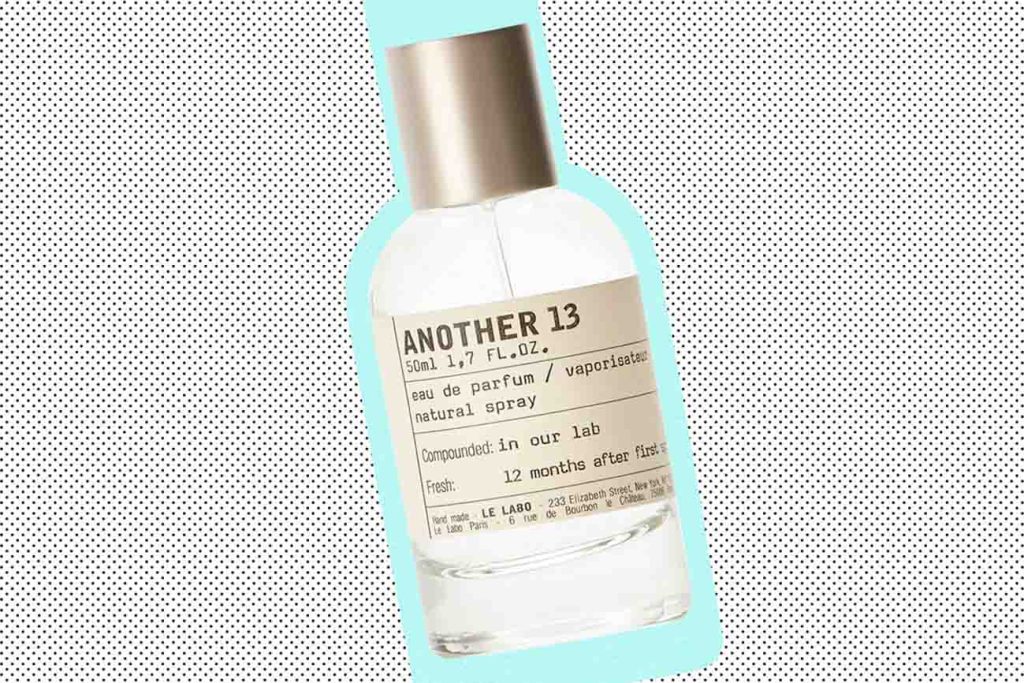
Take Le Labo’s “Another 13”, for example. It opens with a sharp, almost sterile note—somewhere between paper, musk, and metal. It’s confusing, even off-putting. But as it warms, it becomes addictive: clean yet animalic, subtle but powerful, like the scent of skin after an intimate moment.
Then there’s “L’Ombre Dans L’Eau” by Diptyque—a green, inky rose that smells more like a garden after rain than a flower bouquet. At first sniff, it feels cold and strange. But wait. As it settles, the blackcurrant leaves bloom, the rose turns soft, and suddenly it smells like a memory you didn’t know you had.
These are not beginner scents. These are fragrances for people who aren’t afraid of ambiguity—for those who enjoy the art of becoming.
Fragrances That Challenge You (In the Best Way)
If you’ve ever tried Maison Margiela’s “Replica Jazz Club,” you’ll know what I mean. The first hit is boozy—rum, tobacco, pink pepper. It’s masculine, intense, a little aggressive. But then it smooths into vanilla, vetiver, and tonka bean. Warm. Wearable. Seductive without trying too hard. You wouldn’t wear it on a first date—you’d wear it when you know exactly who you are.
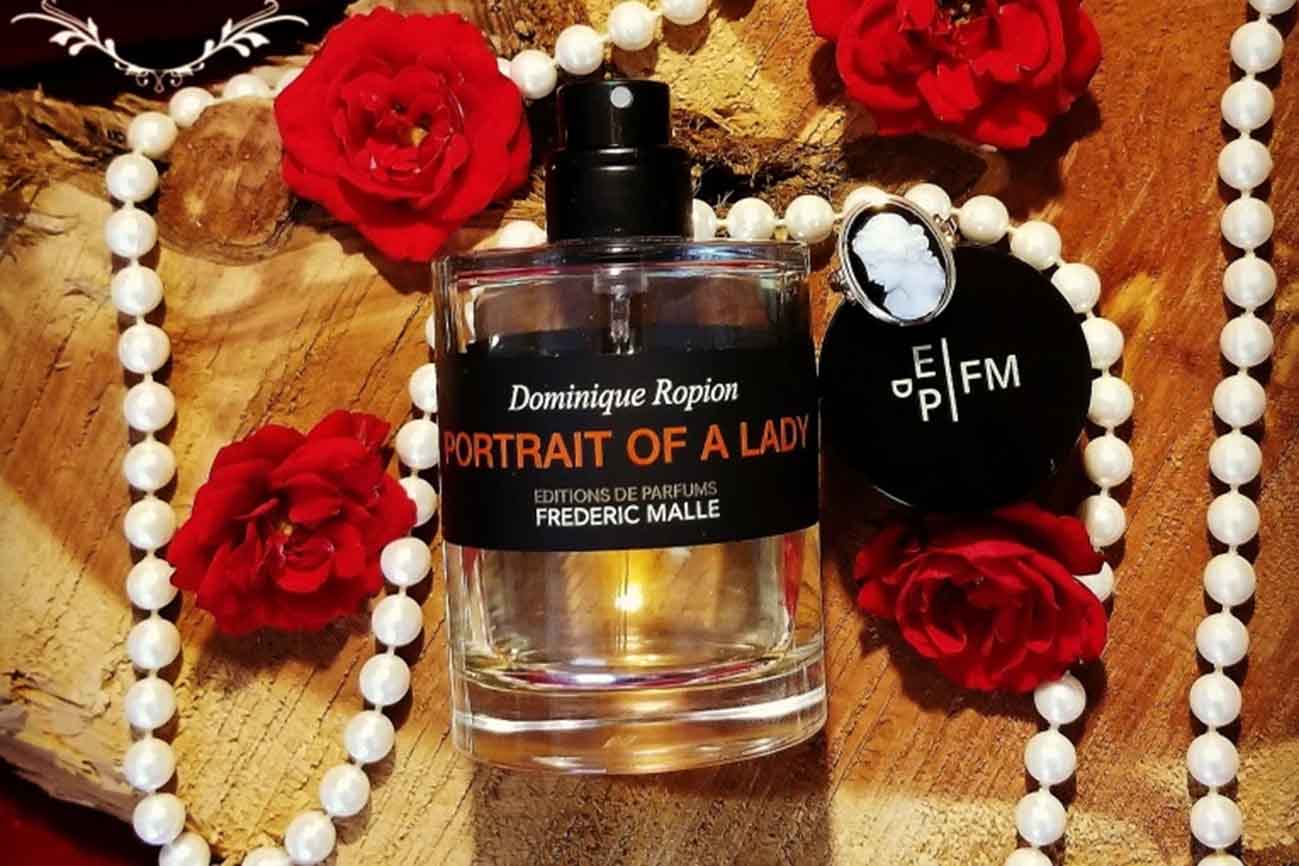
Similarly, Frederic Malle’s “Portrait of a Lady” isn’t for the faint of heart. It opens with a loud, spicy rose and incense. It might even feel old-fashioned at first. But give it time. The patchouli comes forward, the sweetness deepens, and what seemed overpowering becomes magnetic.
These are what we call “second-sniff scents.” Scents that confuse before they seduce. Scents that reward patience.
Tips for Getting to Know a Complex Fragrance
If you’re used to easy-to-love perfumes, diving into the world of niche or high-end fragrance can feel intimidating. Here’s how to train your nose to appreciate the slow burn:
Always spray on skin, not paper. Complex scents interact with your body chemistry.
Give it time. At least 30 minutes before deciding.
Test one at a time. Your nose has limits. Don’t rush it.
Wear it for a day. How does it make you feel by hour three? That’s what counts.
Don’t expect compliments right away. Some of the most elegant scents are quiet—noticed only when someone gets close.
Second-Sniff Fragrances to Try
If you’re ready to explore this world, here are a few worthy starters:
“You or Someone Like You” by Etat Libre d’Orange – A green, minty scent that feels like reading a novel in a sunlit bookstore. It’s not for everyone, and that’s the point.
“Santal 33” by Le Labo – Overhyped? Maybe. But under the hype is a smoky, woody, leathery magic that develops differently on every person.
“Eau Duelle” by Diptyque – A smoky vanilla that avoids sweetness and leans into spice and mystery. Subtle but rich.
“By the Fireplace” by Maison Margiela – Not just cozy—it starts with charred wood and ends in milky chestnut. Odd and addictive.
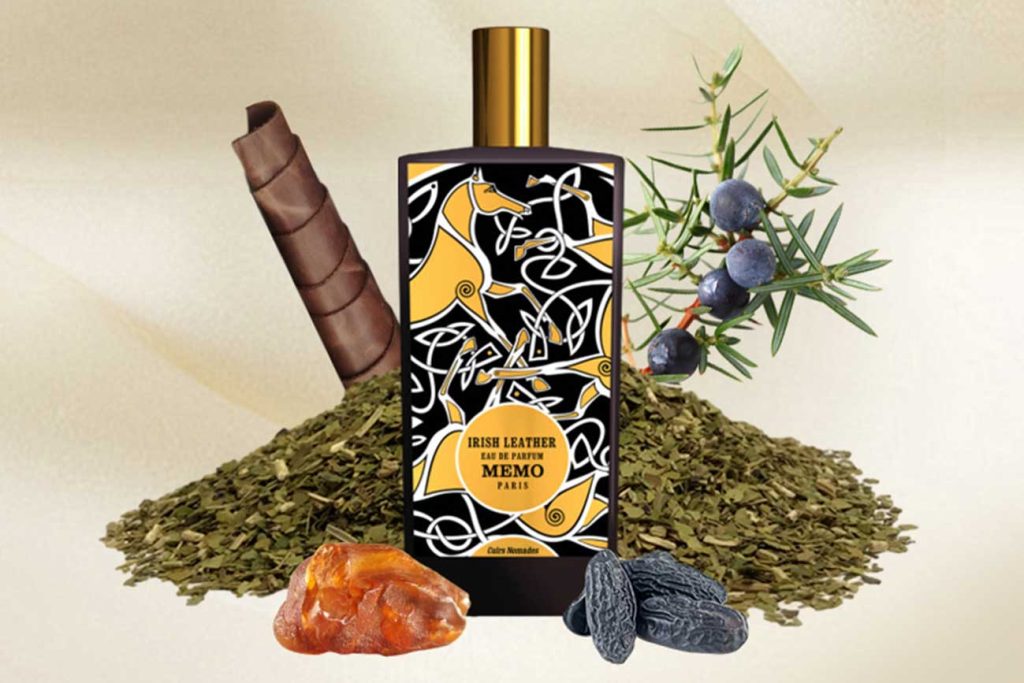
“Memo Irish Leather” – Smells like horseback riding through a field at dawn. Not your average fresh scent. Earthy, green, animalic.
“Baccarat Rouge 540” by Maison Francis Kurkdjian – Love it or not, this amber-jasmine-saffron creation is divisive—and unforgettable.
Why This Kind of Perfume Feels More Personal
Mass-market perfumes are designed to be liked. But personal style isn’t about being liked—it’s about being understood. A signature scent should tell your story, not scream it. It should smell like you, but only you can wear it like that.
There’s a reason why someone walks past you and you feel compelled to turn around. Not because it’s fruity or floral—but because it’s strange, soft, unforgettable. That’s what these second-skin scents offer. A feeling of intimacy. A trace of mystery. An invisible fingerprint.
In a World Obsessed with Firsts, Be a Second
The beauty of a second-sniff fragrance is that it gives you space. Space to grow into it. Space to define it for yourself. You won’t be the girl with the viral perfume. You’ll be the woman people remember but can’t quite place.
So next time you smell something and think, “I don’t get it,” don’t walk away just yet. Wear it again. Let it live with you. Let it confuse you, then seduce you. The best things—style, art, love—don’t always make sense at first.
Why should your scent?